
Professor-Led Orthopaedic Team · Temos-Accredited Hospital · Antalya
Bunion Surgery in Turkey
Bunions rarely improve on their own, and when wider shoes and insoles no longer ease the pain, surgery can realign the big toe. At NewMe your correction is planned from your own foot X-rays and performed by our orthopaedic surgeons at Anatolia Hospital in Antalya — including minimally invasive techniques where they suit you.
Hospital stay
Usually 1 night
Time in Antalya
About 4–5 days
Post-op shoe
About 4–6 weeks
Swelling settles
3–6 months
OVERVIEW
What is bunion surgery?
A bunion (hallux valgus) develops when the joint at the base of the big toe drifts out of line, pushing the toe towards the others and forming a painful bump. Bunion surgery cuts and realigns the bone (an osteotomy), fixes it with small screws and rebalances the soft tissues, so the toe sits straight again. At NewMe it is performed by Prof. Dr. Ferhat Güler, Prof. Dr. Baver Acar or Doç. Dr. Yusuf Alper Katı at Anatolia Hospital in Antalya. The NHS guide to bunions explains the condition and non-surgical options.
1 · Assessment
Your surgeon reviews standing X-rays of your foot to measure the angle of the deformity and choose the technique.
2 · Surgery
Under anaesthetic, the bone is realigned and held with small screws — usually within an hour per foot.
3 · Protected walking
You walk the same or next day in a special post-operative shoe that protects the correction.
4 · Healing
The bone heals over about six weeks; swelling settles gradually over the following months.
TECHNIQUES COMPARED
Which bunion technique is right for me?
The technique depends on how severe your bunion is, how mobile the joint is and whether other toes are affected. Your surgeon recommends it from your X-rays.
| Feature | Minimally invasive | Open osteotomy | With hammer-toe correction |
|---|---|---|---|
| How it is done | Bone realigned through tiny incisions, guided by imaging | Bone cut and repositioned through a standard incision | Bunion corrected and lesser toes straightened together |
| Typical choice for | Mild to moderate bunions | Moderate to severe bunions | Bunions with clawed or hammer toes |
| Scarring | Very small scars | A single longer scar | Scars on the affected toes as well |
| Recovery | Post-op shoe for about 4–6 weeks | Post-op shoe for about 6 weeks | Similar, sometimes slightly longer |
🦶 Bunions that have come back after previous surgery can also be assessed — send your old operation notes and X-rays with your enquiry.
IS IT RIGHT FOR YOU?
Am I a candidate for bunion surgery?
Bunion surgery is for pain and function, not looks alone. It is considered when the bunion keeps hurting despite sensible footwear.
✓ Your bunion is painful and limits walking, exercise or the shoes you can wear
✓ Wider shoes, insoles, pads or painkillers have not helped enough
✓ You can rest and keep your foot raised for the first two weeks
✓ You are a non-smoker or willing to stop — smoking slows bone healing
It may not be suitable with poor circulation in the feet, uncontrolled diabetes, an active infection or if the bunion does not cause symptoms.
YOUR SURGEONS
Who will perform my bunion surgery?
Your operation is performed by one of NewMe’s orthopaedic surgeons, who also reviews your X-rays beforehand. Your surgeon is confirmed in writing before you book.
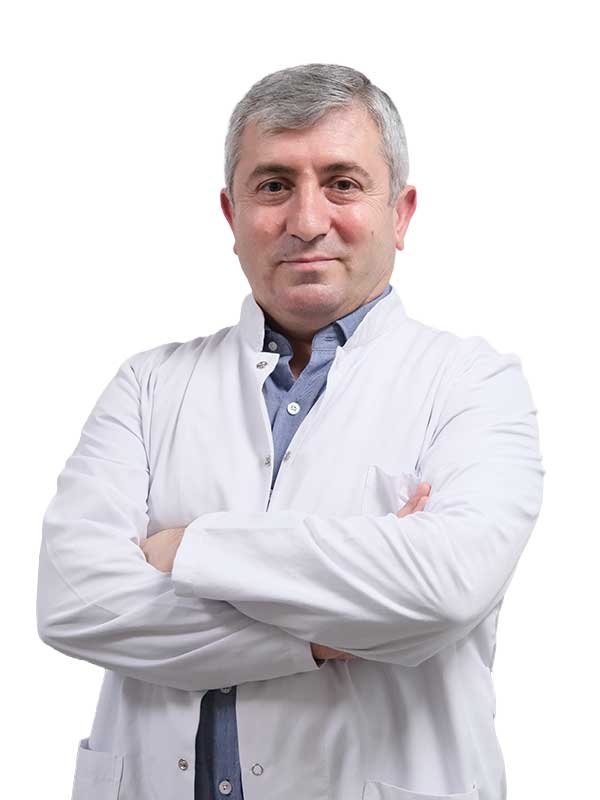
Prof. Dr. Ferhat Güler
Professor of orthopaedics performing hallux valgus and forefoot deformity correction, with a special interest in deformity surgery.
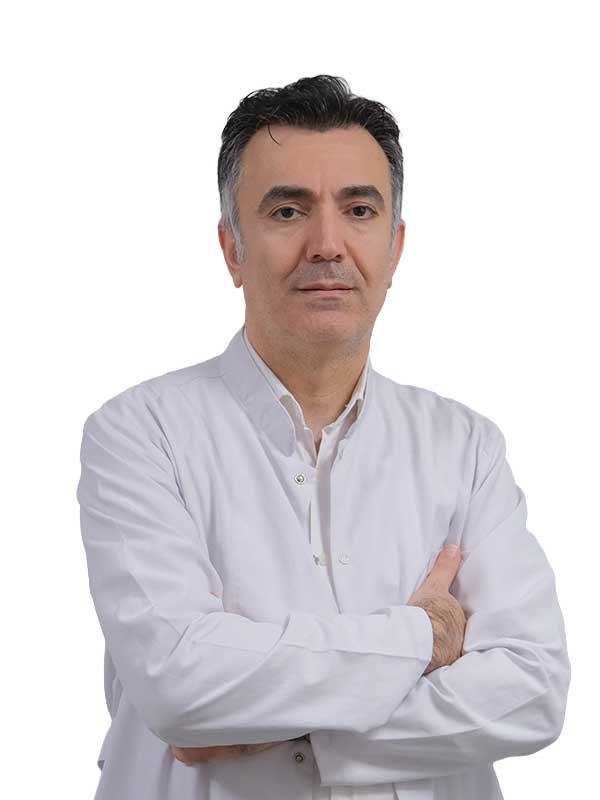
Prof. Dr. Baver Acar
Professor of orthopaedics performing bunion correction, including minimally invasive techniques, and hammer-toe surgery.
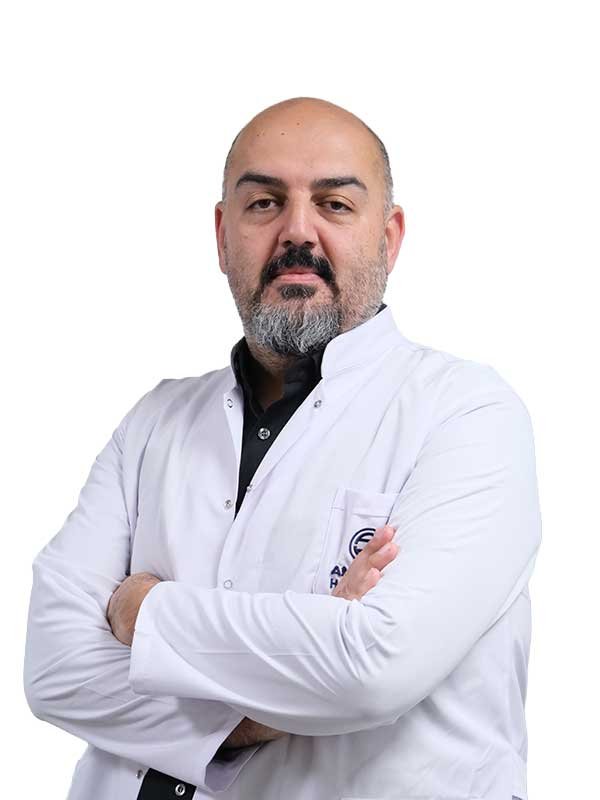
Doç. Dr. Yusuf Alper Katı
Associate professor whose areas of expertise include foot and ankle surgery and forefoot deformity correction.
YOUR HOSPITAL
Where is my bunion surgery performed?
Your operation and hospital stay take place at Anatolia Hospital in Antalya — one of NewMe’s contracted institutions, accredited by Temos for Quality in Medical Care. Anatolia Hospital appears on the Turkish Ministry of Health’s list of hospitals authorised for international health tourism. After discharge you recover nearby, with your coordinator and physiotherapy organised around you.
YOUR TIMELINE
What is recovery like after bunion surgery?
Days 1–2 — Hospital
Your foot is dressed and protected; most patients stay one night and start walking in the post-operative shoe.
Days 3–5 — Antalya
You rest with your foot raised; your surgeon checks the wound and dressing and confirms you are fit to fly.
Weeks 1–6 — Home
You walk in the post-operative shoe while the bone heals, following your surgeon’s weight-bearing advice.
Months 2–6 — Normal shoes
You return to comfortable everyday shoes; residual swelling can take three to six months to settle fully.
🦶 Post-operative shoe
A special flat shoe protects the correction and lets you walk from the first days.
🧊 Rest and elevation
Keeping the foot raised in the first two weeks is the best way to control swelling and pain.
📋 Fit-to-fly review
Your surgeon checks the foot before you travel and gives you clot-prevention advice for the flight.
💬 Follow-up at home
12 months of planned follow-up and our WhatsApp aftercare line for questions after you return.
SAFETY
What are the risks of bunion surgery?
Bunion surgery is a well-established operation, but every operation carries risks. Your surgeon explains them openly before you decide.
Common and expected
Swelling, bruising and some pain in the first weeks, and swelling that can last several months.
Less common
Stiffness of the big-toe joint, numbness near the scar, pain under the ball of the foot, wound problems and irritation from screws that may need removing.
Rare but serious
Infection, the bone healing slowly or not at all, the bunion coming back, over-correction of the toe and blood clots.
How we reduce your risk: choosing the technique from measured X-rays; pre-operative checks in Antalya; secure fixation; protected walking in a post-operative shoe; a fit-to-fly review; and clear instructions for the weeks at home.
PRICING
How is bunion surgery priced?
Every case is quoted individually after your surgeon has reviewed your X-rays or scans. Your written quote lists exactly what is covered — surgeon’s fees and anaesthesia, hospital stay, screws and fixation, pre-operative tests and X-rays, the post-operative shoe and dressings, and VIP transfers — and your hotel near the hospital is arranged by your coordinator and itemised on the same quote. Your written quote is your final price, with no hidden hospital or implant fees.
FOR UK PATIENTS
Planning bunion surgery in Turkey from the UK
NHS and bunion surgery
On the NHS, bunion surgery is usually offered only when pain persists despite measures such as wider shoes or insoles, and waits for planned foot surgery vary by area — you can check typical waits on My Planned Care.
Direct flights, about 4 hours
Antalya has direct flights from London, Manchester, Birmingham and other UK airports. UK passport holders can visit Türkiye visa-free for up to 90 days.
English throughout
A free assessment from your scans, English-speaking coordinators at every step and a written plan before you book.
Records for home
An English-language surgical report, your imaging and the make and size of any implant, so your GP and physiotherapist can continue your care.
New to treatment abroad? Our step-by-step guide for UK patients walks you through the whole journey.
QUESTIONS
Frequently asked questions
Can both feet be done at the same time?
Many patients have both bunions corrected in one trip — one anaesthetic and one recovery — but walking is harder for the first weeks. Your surgeon advises whether it suits you.
Is minimally invasive bunion surgery better?
It leaves smaller scars and may disturb less soft tissue, but it does not suit every bunion. Severe or unstable bunions often need an open correction. Your surgeon recommends the technique from your X-rays.
How long will I stay in Antalya?
Usually around 4–5 days: one night in hospital, then rest nearby until your surgeon has checked the foot and confirmed you are fit to fly.
When can I walk and drive?
You walk in a post-operative shoe from the first days. Driving usually waits until you are out of the shoe and can brake safely — often around six weeks, sooner for the left foot in an automatic car.
Will the bunion come back?
Recurrence is uncommon when the right technique is chosen and you follow the post-operative instructions, but it can happen, particularly with severe deformities.
Can I send my X-rays before I travel?
Yes, and we recommend it. Standing X-rays of your feet let our surgeons measure the deformity and recommend the right technique before you commit.
Which hospital is used?
Anatolia Hospital in Antalya, one of NewMe’s contracted institutions, accredited by Temos for Quality in Medical Care.
Ready to walk comfortably again?
Send photos and X-rays of your feet for a free, honest assessment from our orthopaedic surgeons — no pressure, no obligation.